
Standard
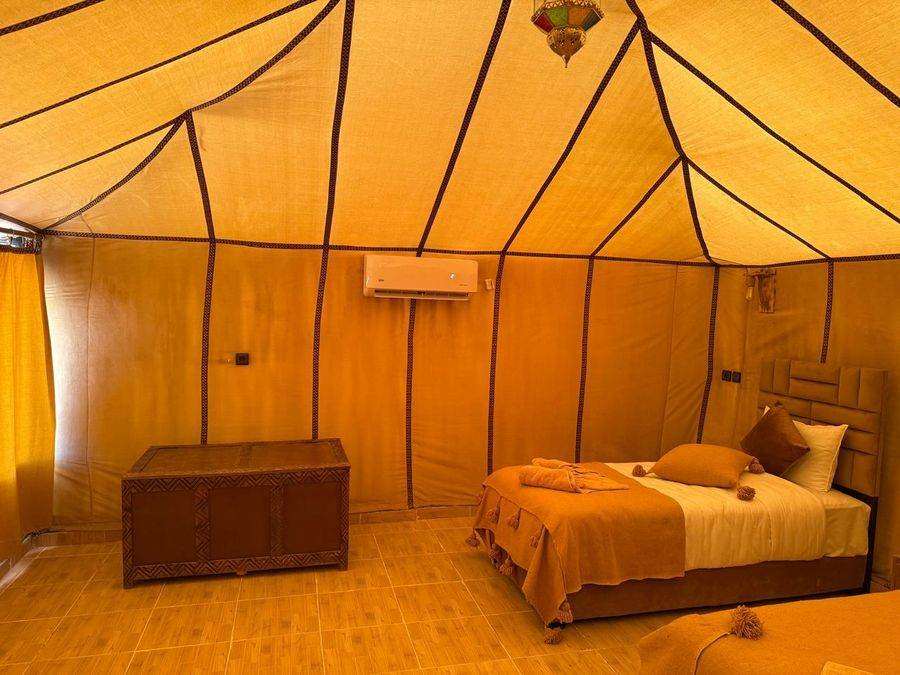
Charming riads and kasbahs and, in the desert, comfortable Berber tents with an authentic atmosphere.
Options and supplement14 days of ocean, mountains, desert and imperial cities
The trip starts slowly: two days in Marrakech and two in Essaouira to get into the rhythm of the country. Then a night in a Berber village in the High Atlas, at the foot of Toubkal, and the descent towards the Sahara.
The second week heads north: Fez, Chefchaouen and finally Casablanca for the flight home. Fourteen days without ever doubling back.
We meet you at Marrakech airport with a sign bearing your name and take you to your riad, in the heart of the medina. After welcome tea, if there's time, a first walk to Jemaa el-Fna: at sunset the square fills with stalls, Gnawa musicians and storytellers. Dinner at leisure.
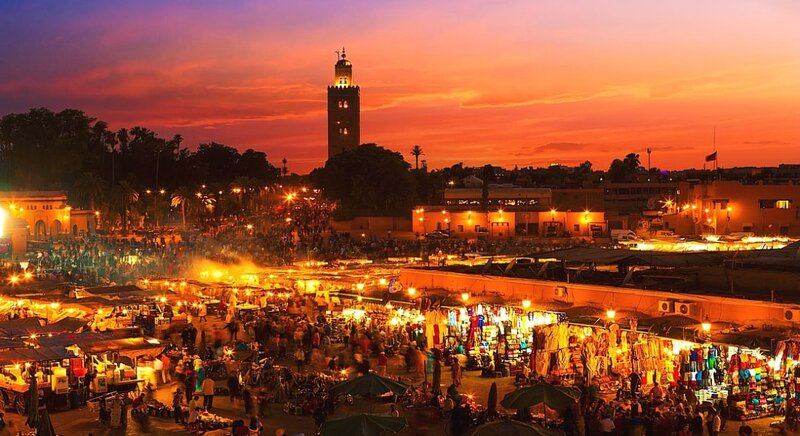
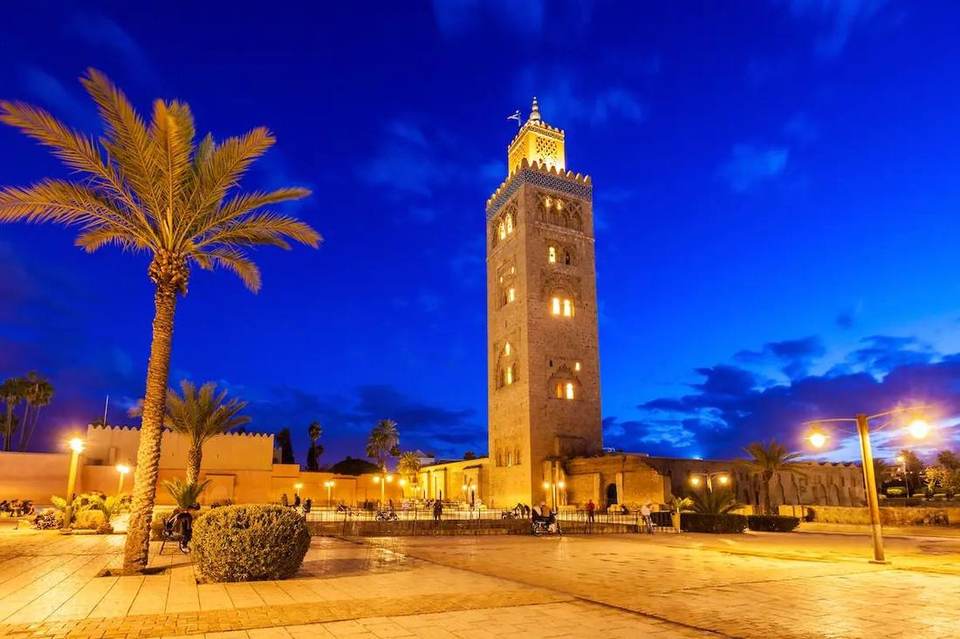
A morning in the medina with a local guide: the Koutoubia mosque with its 12th-century minaret, the Bahia Palace with courtyards full of orange trees and painted ceilings, and the Saadian Tombs, hidden for centuries behind a wall. Then the souks, divided by trade: dyers, blacksmiths, spice and lantern sellers. Free afternoon: we recommend the Majorelle Garden, blue and full of cacti, or a traditional hammam. In the evening Jemaa el-Fna fills with stalls, musicians and storytellers.
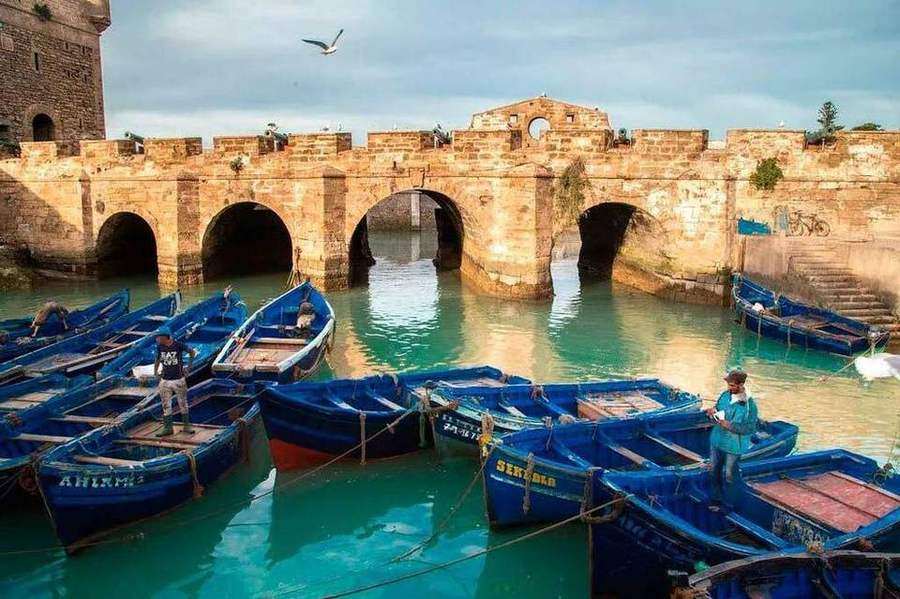
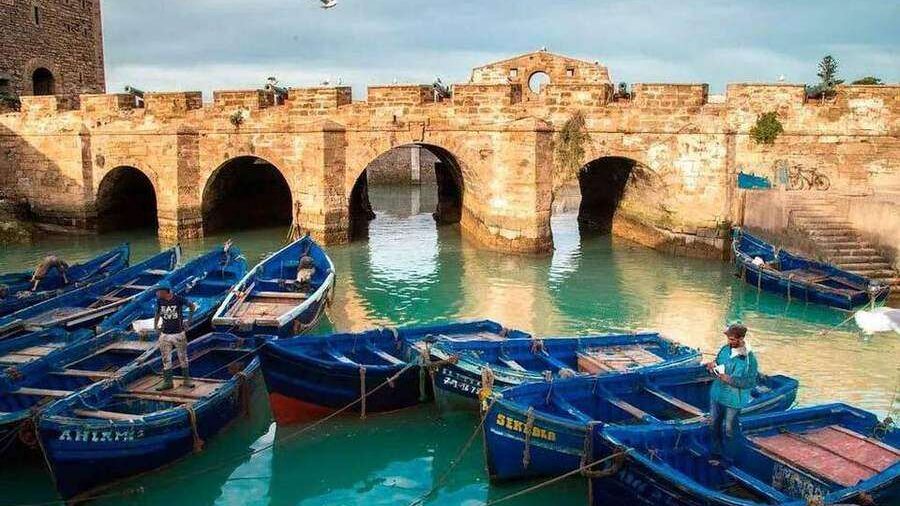
Three hours' drive west, with a coffee halfway and a stop in the argan fields, where goats sometimes climb the trees. Arrival in Essaouira for lunch: grilled fish at the harbour and then a free afternoon among the white medina, the art galleries and the ramparts where Game of Thrones was filmed. The Atlantic breeze is welcome after the heat of the south.
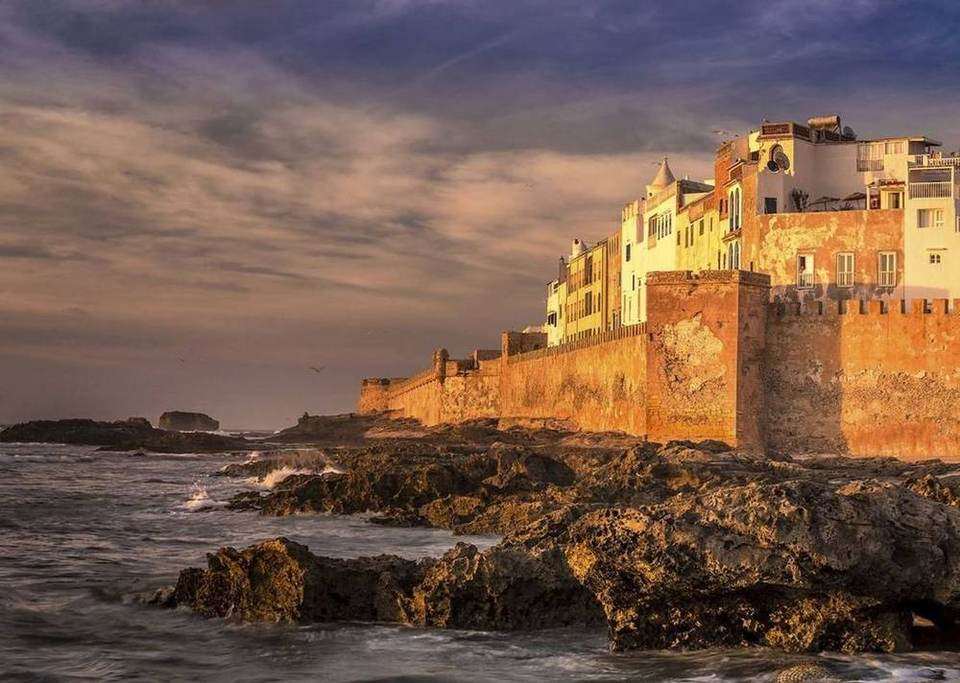
A free day in Essaouira. You can walk along the beach to the ruins of Borj el-Berod, take a surf or kitesurf lesson (there's never a shortage of wind here), visit the medina's art galleries or look for fragrant, glossy thuya wood objects. For lunch, the harbour ritual: pick your fish at the stalls and they grill it on the spot. At sunset, everyone heads to the Skala ramparts.
We head back inland and climb into the High Atlas to Imlil. A short walk among the Berber villages and a night in a mountain lodge with a view of Toubkal.
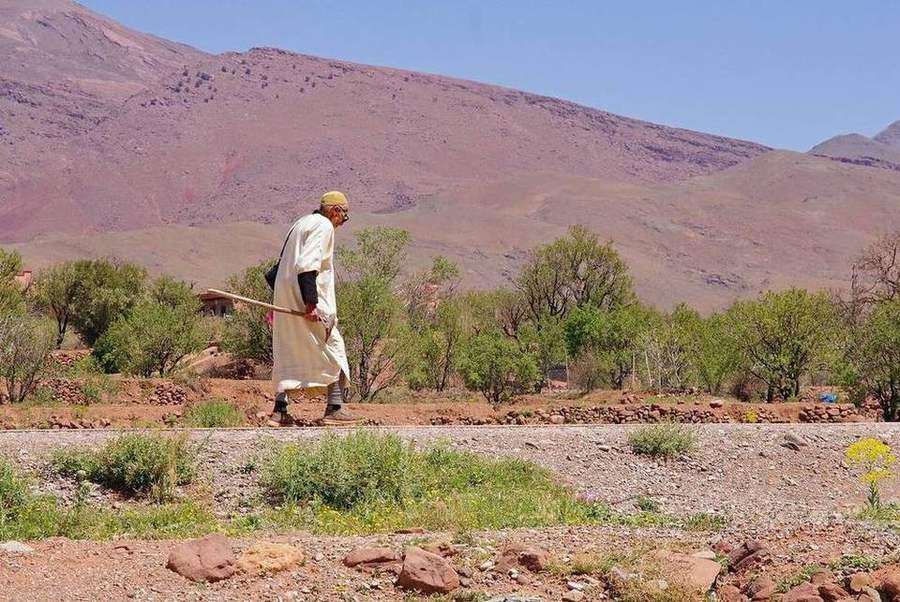
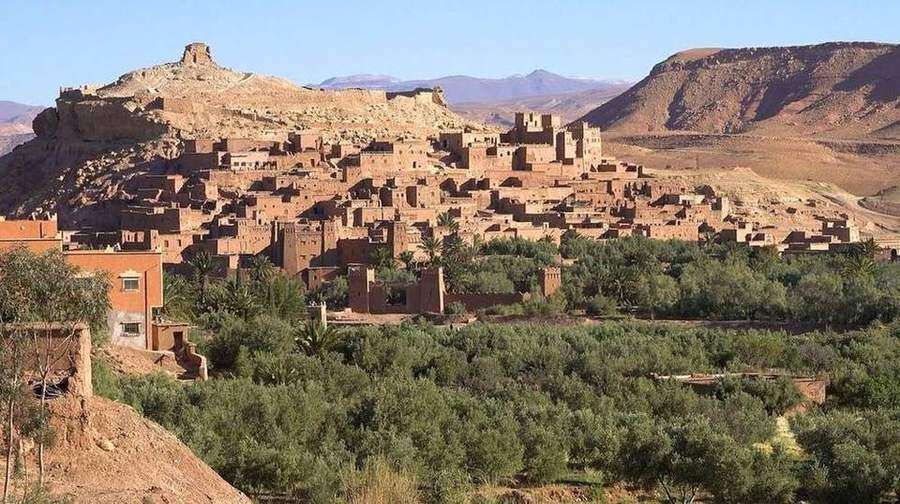
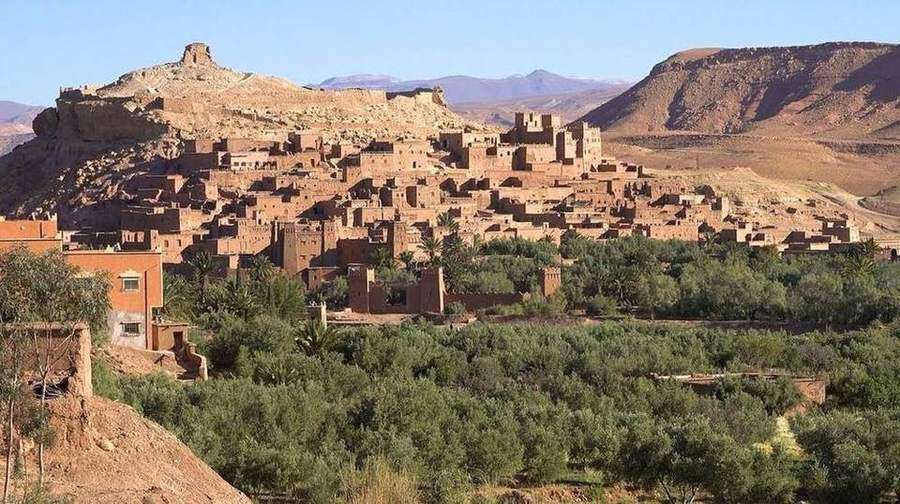
A morning walk in the Imlil valley, then we drive back towards Marrakech and up to the Tizi n'Tichka pass. Arrival in Aït Ben Haddou in the afternoon. Night in a kasbah.
After breakfast we pass through Ouarzazate into the Skoura palm grove, with a walk to the Amridil kasbah. Then the Valley of Roses, with the rose water cooperatives of Kelaat M'Gouna, and the drive up the Dadès valley, which we reach in the afternoon among red rocks and earthen villages. Night in Dadès.
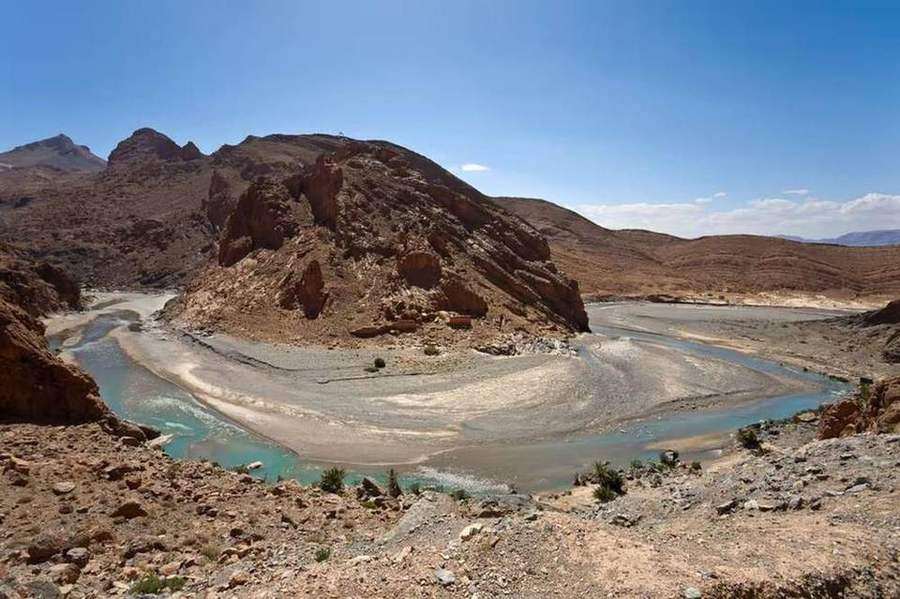
Morning in the Dadès valley, with a stop on the Tamellalt hairpin road. Then Tinghir and the Todra Gorge, where you walk through the canyon between walls almost 300 metres high. After lunch the road crosses Tinejdad, with its khettaras, and Erfoud, the fossil capital. Arrival at the dunes in the late afternoon. Night in a hotel at the foot of Erg Chebbi.
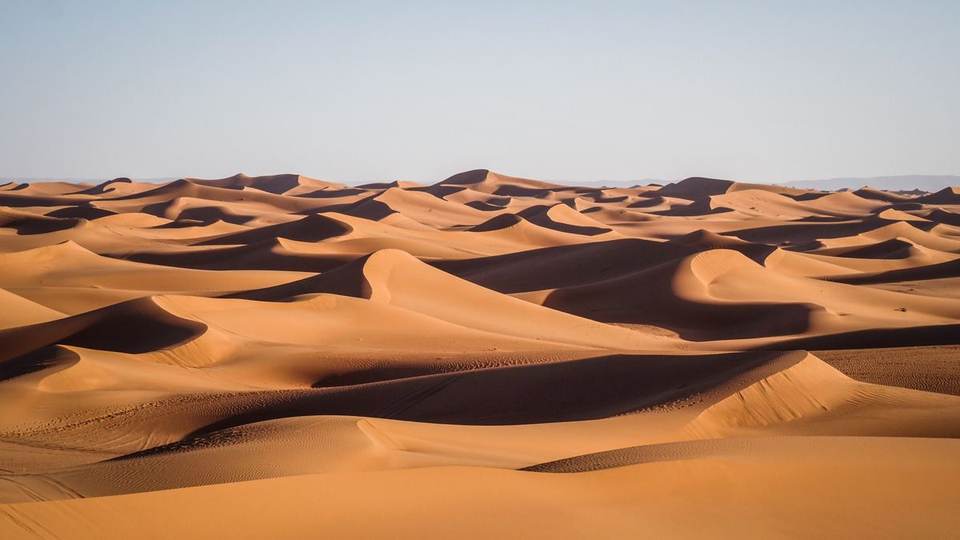
An unhurried day on Erg Chebbi. In the morning our driver takes you by 4x4 where tourists don't usually go: a camp of nomads who raise dromedaries, the remains of an old ksar, fields of black stones that look like another planet. In Khamlia you listen to the Gnawa musicians and drink tea in their home. Lunch with medfouna in Rissani and an hour's rest in the shade. Then the caravan: an hour by camel through the dunes to the camp as the sun goes down. Dinner, drums and a sky with more stars than you've ever seen.
Sunrise on the dunes and breakfast, then we head north. The road climbs the Ziz valley, passes through the gorges and the Legionnaire's tunnel and reaches Midelt for lunch. In the afternoon the Middle Atlas: the Azrou cedar forest with its macaques and Ifrane, the town of red roofs. Arrival in Fez in the evening (about 8 hours with stops).
Fez el-Bali was founded in the 9th century and has changed very little since. With the official guide we enter through the Bab Boujloud gate and let ourselves be carried along by the rhythm of the medina: mules loaded with hides, the smell of bread in the neighbourhood ovens, the call to prayer. We visit the Bou Inania madrasa, the Nejjarine caravanserai, now a wood museum, and Seffarine square, where coppersmiths hammer huge pots. From the terrace above the Chouara tannery you can see the craftsmen at work in the vats.
Lunch in a medina palace and a free afternoon for shopping.
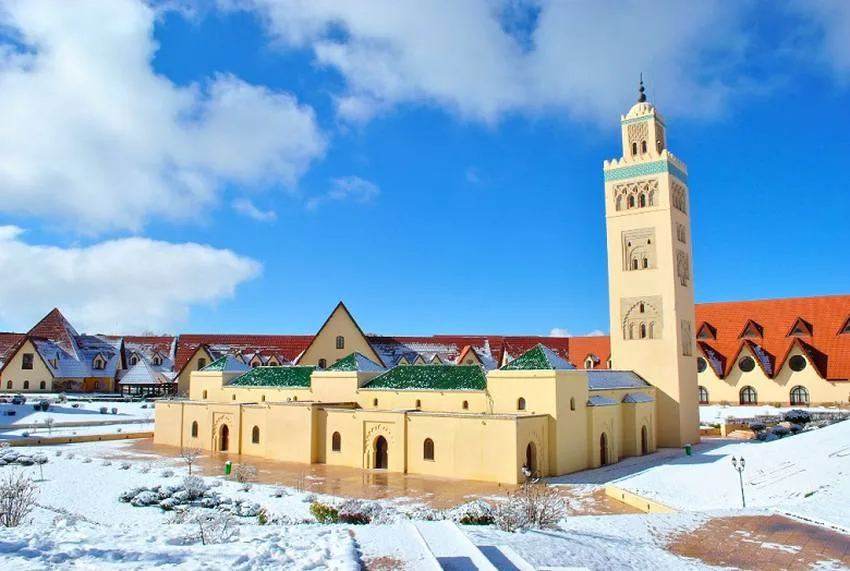
About four hours' drive north, through hills of wheat and olive trees and then the green mountains of the Rif. Arrival in Chefchaouen for lunch and an afternoon in the blue lanes: Outa el-Hammam square with the kasbah, the weaving workshops and the goat's cheese shops. At sunset we climb to the Spanish mosque, the best viewpoint over the town.
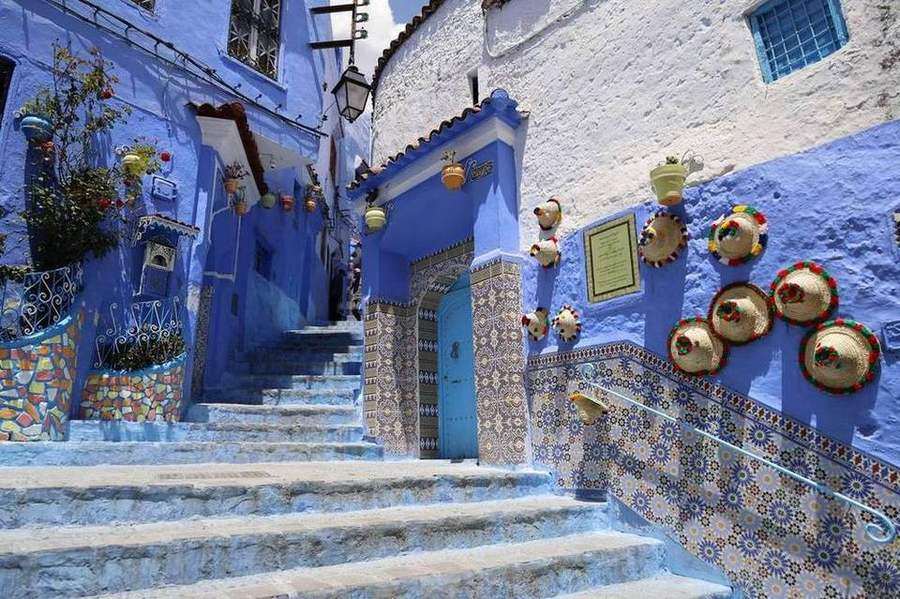
We leave Chefchaouen after breakfast and drive down to the Atlantic coast, about four hours on the road. In Rabat we visit the Kasbah of the Udayas, with its white and blue houses and Andalusian garden, the Hassan Tower and the Mausoleum of Mohammed V. Free evening along the Bou Regreg river.
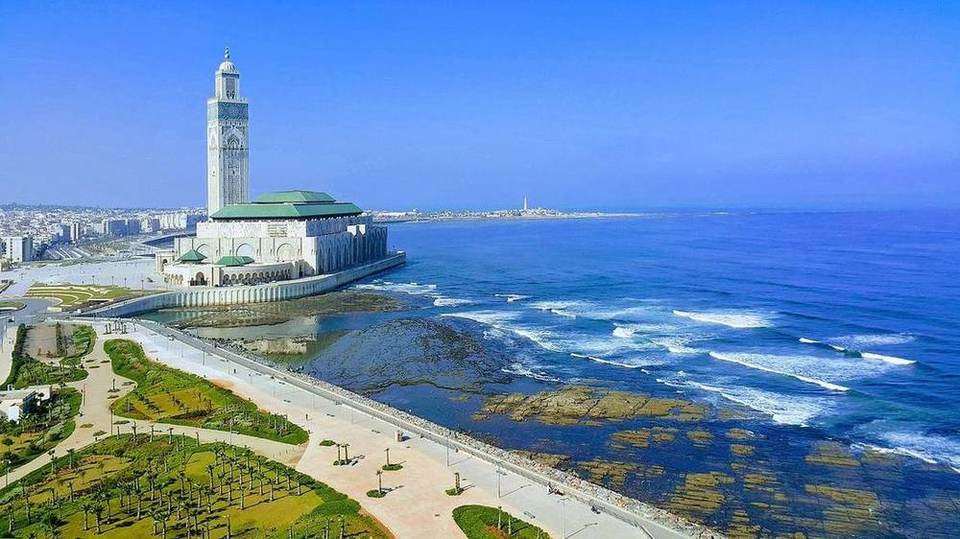
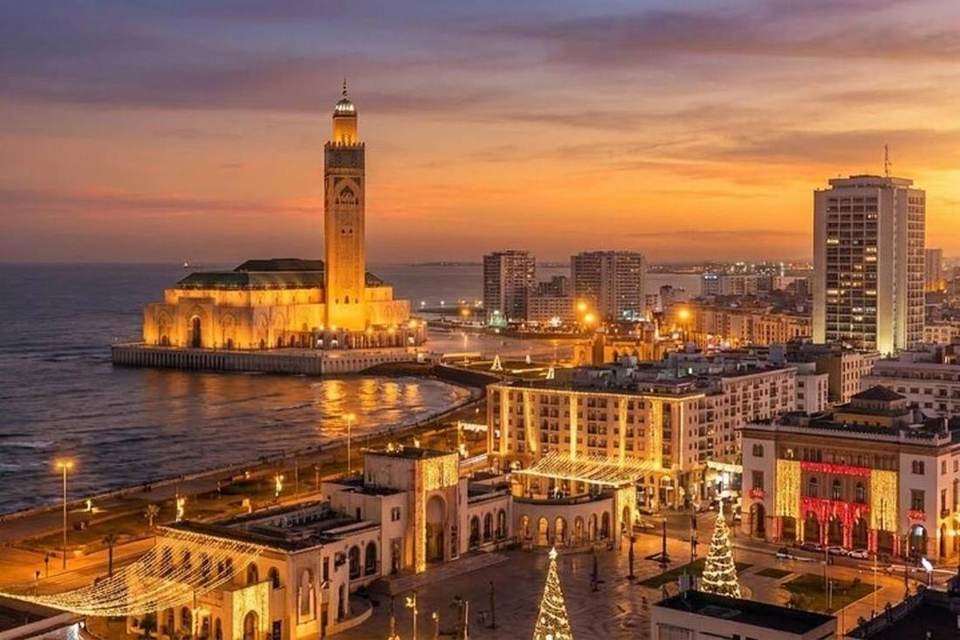
A last morning in Rabat, perhaps at the medina market or in the Andalusian garden of the Udayas. One hour's drive to Casablanca and a visit to the Hassan II Mosque, with its 210-metre minaret over the ocean. Transfer to the airport.
Charming riads and kasbahs and, in the desert, comfortable Berber tents with an authentic atmosphere.
Options and supplement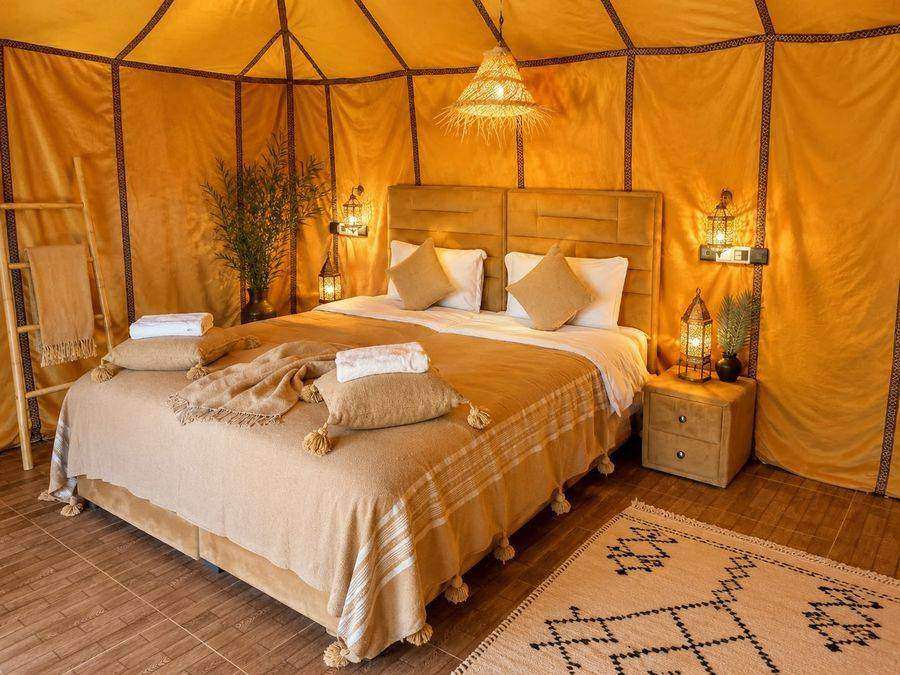
Selected accommodation with extra comfort and, in the desert, tents with private bathroom.
Options and supplement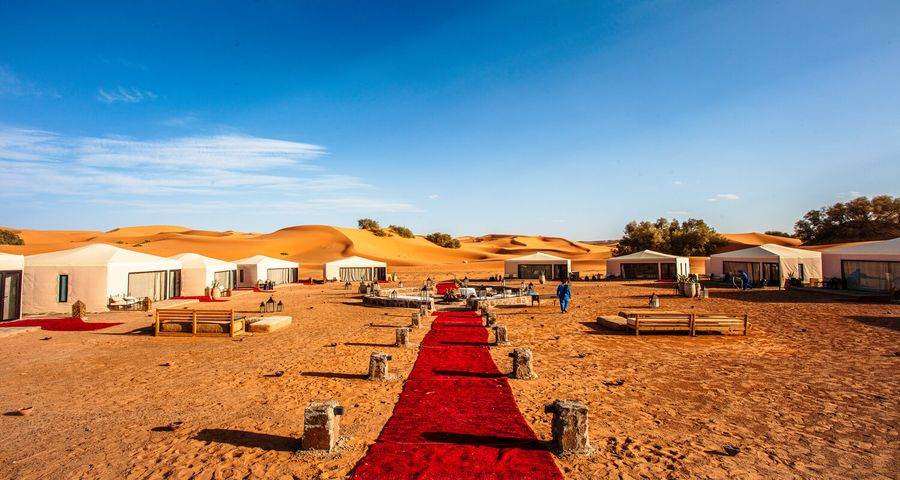
Luxury tented camp with double bed, private bathroom and dinner served under the stars.
Options and supplementWe pick you up from your accommodation at the agreed time.
Your luggage travels with you in the vehicle for the whole route.
If you'd rather not ride a camel, you can reach the camp by 4x4.
Documents, health and safety: check the latest information in the official travel advice for Morocco.
You can add quads, buggies or sandboarding. See the activities.
Have you done this tour with us? Share your experience: you'll help other travellers choose.
No, the walk is easy and you can shorten it as you like. If instead you want to climb Toubkal, you need two extra days and a basic level of fitness.
Yes, by replacing Rabat and Casablanca with a direct return from Fez to Marrakech by train or car.
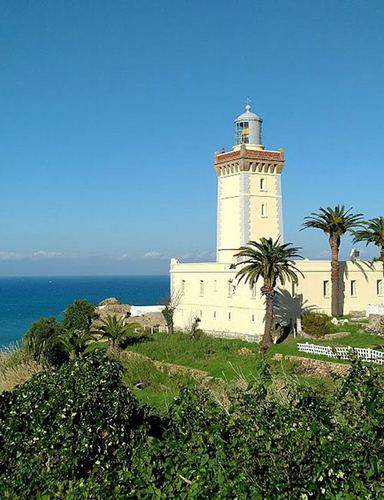
A three-week loop from Casablanca: Tangier and the Mediterranean, the…
View tour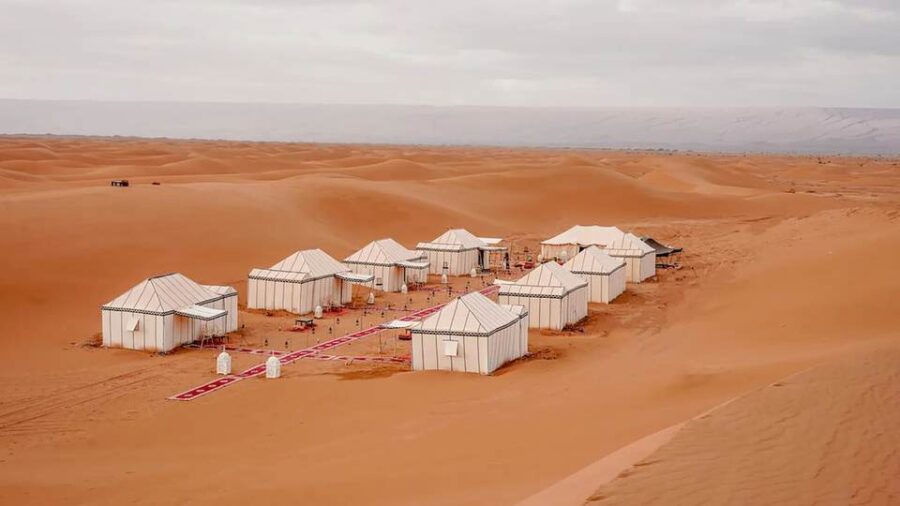
Three weeks from the High Atlas to the Anti-Atlas, from…
View tour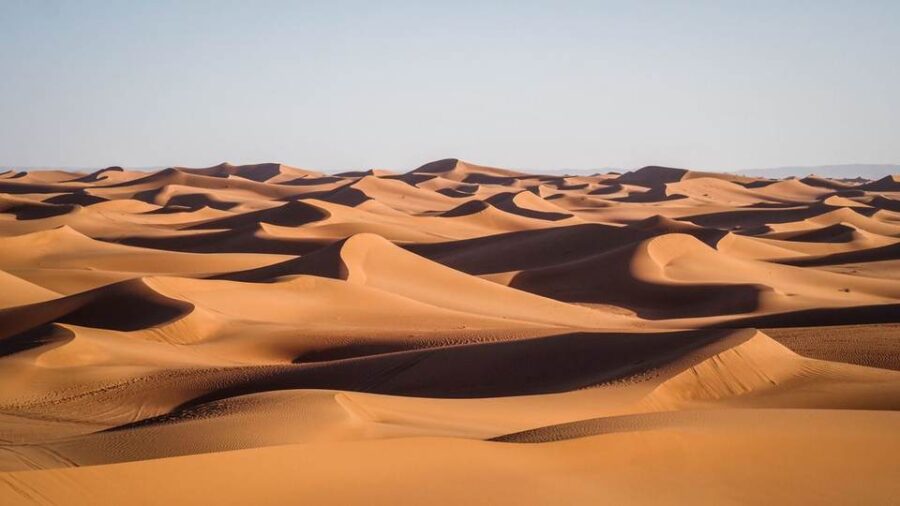
The classic of classics: the Middle Atlas, a night in…
View tour
Write a review