
Standard
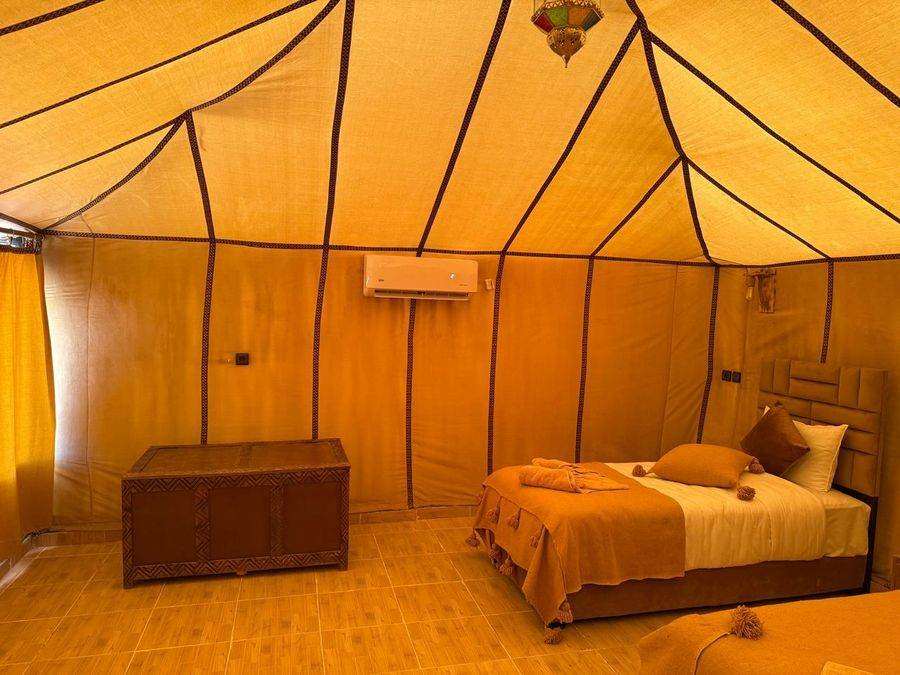
Charming riads and kasbahs and, in the desert, comfortable Berber tents with an authentic atmosphere.
Options and supplement10 days from Tangier to Marrakech, with Akchour, Fez, the Sahara and the High Atlas
Ten days to see the best of Morocco starting from the gateway to Europe: Tangier, the Akchour waterfalls, Chefchaouen, Fez, the desert with two nights, the canyons, the kasbah road and the High Atlas.
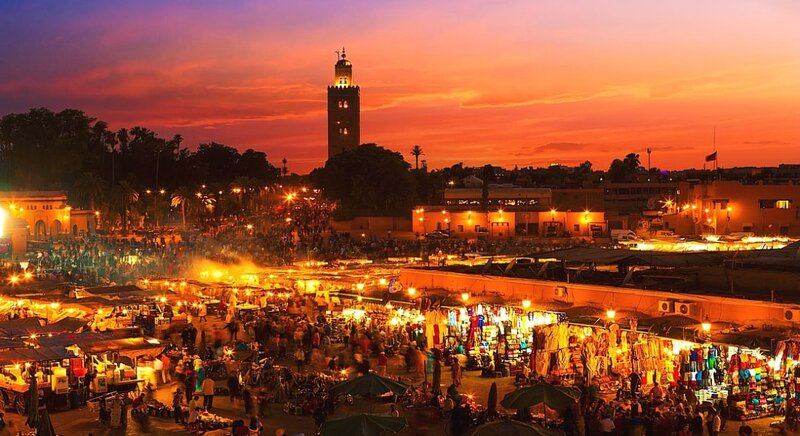
The days alternate between travel and visits, and you spend your last evening in Marrakech, in the liveliest square in the country.
Welcome and a tour of the city: the kasbah, Café Hafa on the cliffs, Cape Spartel where the Mediterranean and the Atlantic meet, and the Caves of Hercules. Night in Tangier.
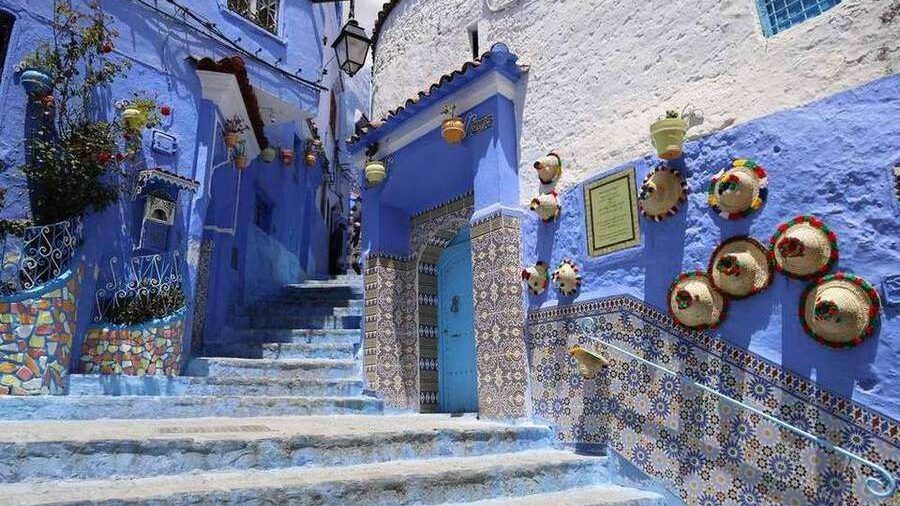
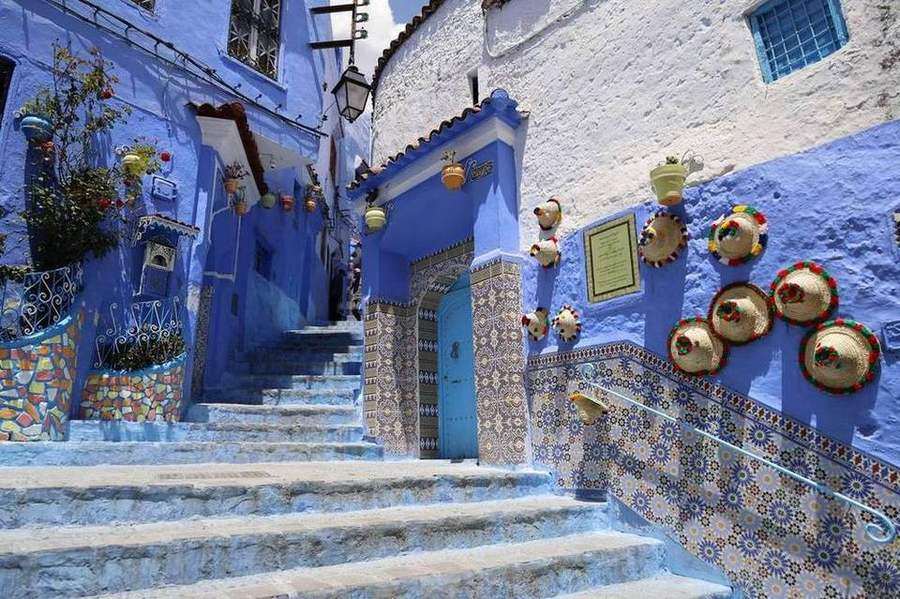
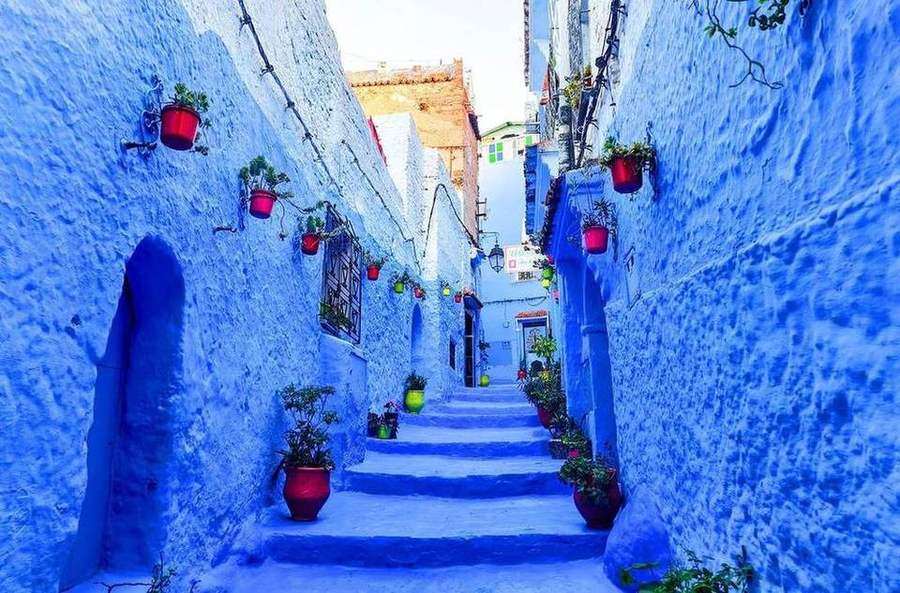
We leave Tangier heading east and in an hour we're in Tetouan, the 'white dove': its Andalusian medina is a UNESCO World Heritage site, with the craftsmen's quarters still divided by trade. After lunch the road climbs into the green mountains of the Rif, among olive groves and villages with tiled roofs. We reach Chefchaouen in the afternoon, just in time for a first stroll among the blue houses and sunset from the Spanish mosque.
In the morning an excursion to the Akchour waterfalls: a trail along the river past natural pools to God's Bridge, a rock arch over the canyon. A restful afternoon in Chefchaouen.
Morning in Chefchaouen and departure south. Volubilis welcomes us with its columns among the olive trees and mosaics still in place; a few minutes away is Moulay Idriss, the holy town. In the afternoon, Meknes: the Bab Mansour gate, el-Hedim square and the enormous stables of Sultan Moulay Ismail. Arrival in Fez in the evening.
We meet the official guide in front of Bab Boujloud, the blue and green gate that marks the entrance to Fez el-Bali. From here the medina is a maze of more than nine thousand lanes where goods still travel on mules. We visit the Bou Inania madrasa, with its carved cedar wood, the Nejjarine fountain and the coppersmiths' quarter, where you hear the metal being hammered. From the terraces of a leather shop we look down on the Chouara tannery, with its vats coloured like a palette: they'll give you a sprig of mint for the smell.
Lunch with pigeon or chicken pastilla and, in the afternoon, the Jewish quarter of the Mellah and the golden doors of the royal palace.
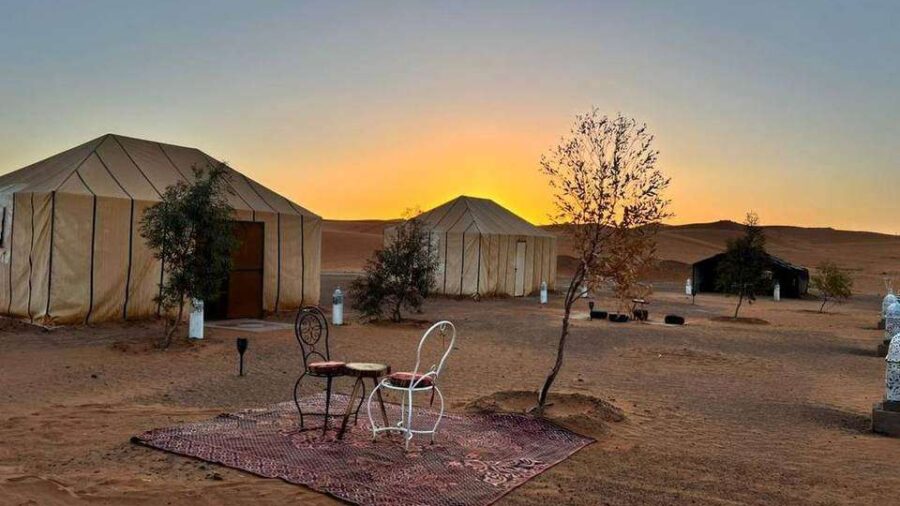
An early start to cross three landscapes in a single day. First the forests of the Middle Atlas, with Ifrane and the ancient cedars of Azrou where you meet the macaques, then the bare Midelt plateau, with Jebel Ayachi snow-capped until spring. After lunch the road drops into the Ziz gorges and runs along the palm grove to Erfoud. The last kilometres and, suddenly, the orange dunes on the horizon. Night at the foot of the dunes.
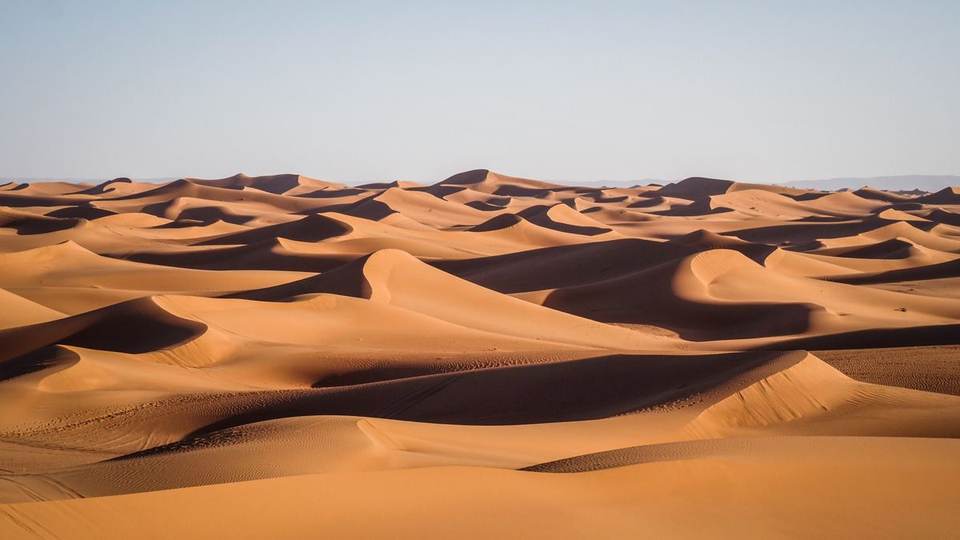
The desert is best enjoyed over a full day. You start with sunrise, then a 4x4 tour: the highest dunes of Erg Chebbi, a well where shepherds bring their animals and a nomad family baking bread on the fire. In Khamlia, Gnawa music; in Rissani, the souk and the ksar. The afternoon is free: some try sandboarding, others enjoy the pool. At sunset you ride a camel to the camp, where dinner and music around the fire await you.
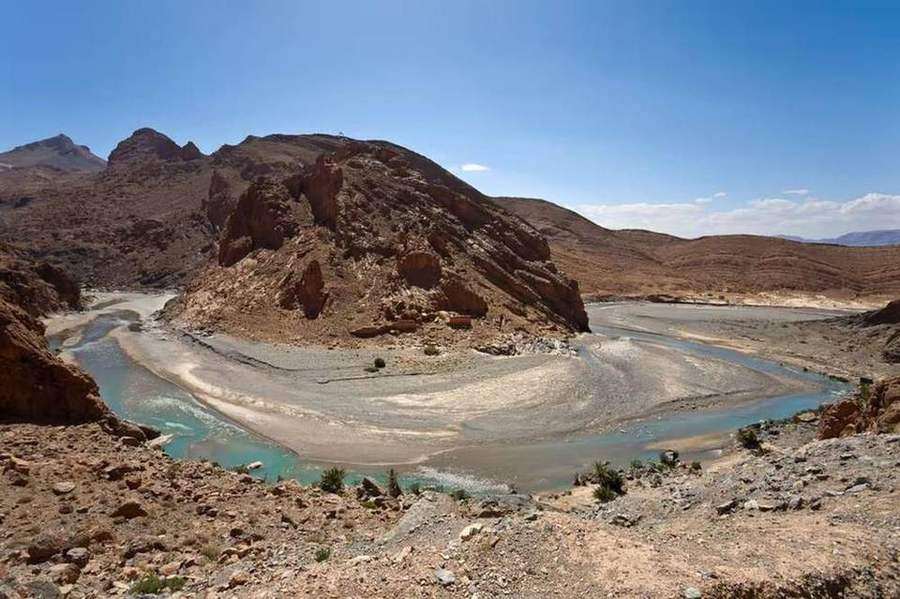
Early wake-up to watch the sun rise behind the dunes: it is the quietest moment in the desert. After breakfast we return by camel or 4x4 and take the road west. In Tinejdad we stop at the khettaras, underground channels dug by hand to bring water to the oases. Then Tinghir, with its palm grove kilometres long, and the Todra Gorge: you walk along the bottom of the canyon between walls almost 300 metres high, with the stream beside you. In the afternoon we drive up into the Dadès valley, where the road makes spectacular hairpins among rocks that look like fingers.
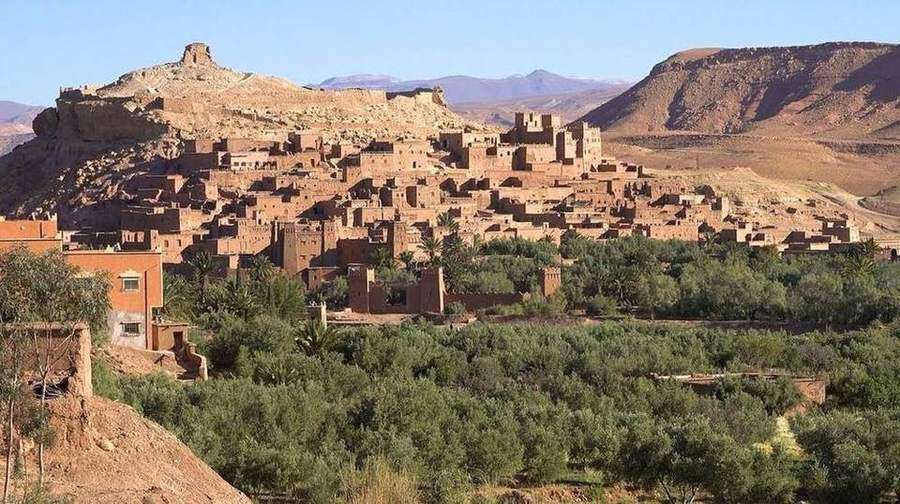
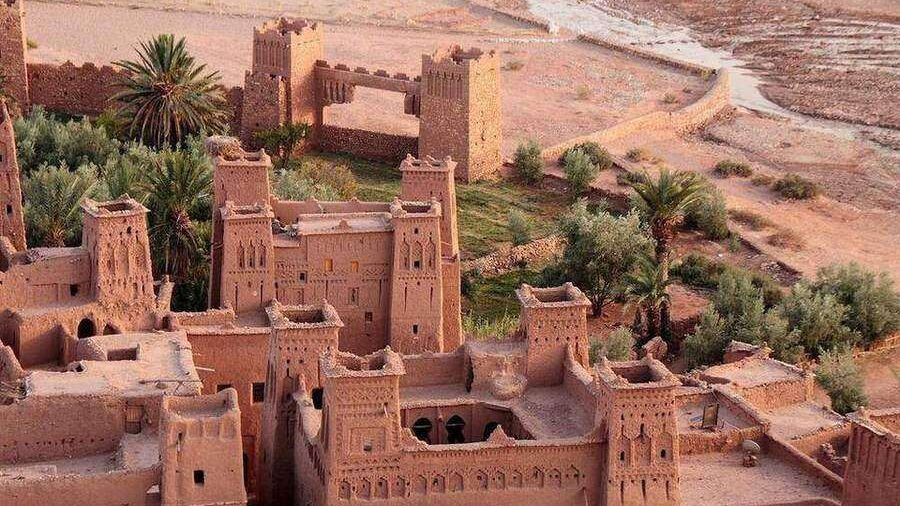
We drive down from the Dadès valley and cross Kelaat M'Gouna, the town of roses: the cooperatives distil the rose water used in cooking and cosmetics, and in May the harvest festival is held. Then Skoura, a palm grove with dozens of kasbahs, including the Amridil kasbah, which appeared on the old 50-dirham banknotes. After Ouarzazate we reach Aït Ben Haddou: we walk up among the earthen houses to the granary at the top, from where you can see the whole Ounila valley. Night in a kasbah at Aït Ben Haddou.
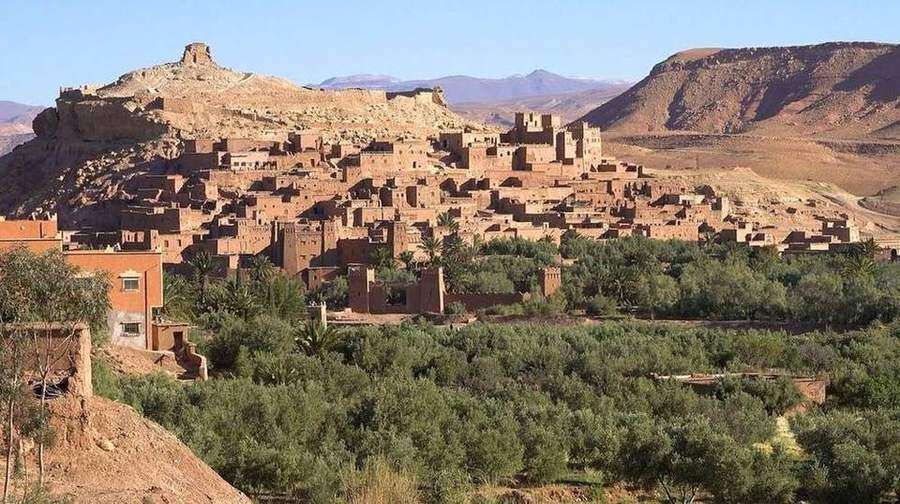
Before leaving, a walk through the ksar in the morning light. Then the High Atlas: the Tizi n'Tichka pass at 2,260 metres, earthen villages and women carrying bundles of grass on their backs. We stop at an argan cooperative and at a café overlooking the valley. Arrival in Marrakech late in the morning or early afternoon. Last evening in Jemaa el-Fna.
Charming riads and kasbahs and, in the desert, comfortable Berber tents with an authentic atmosphere.
Options and supplement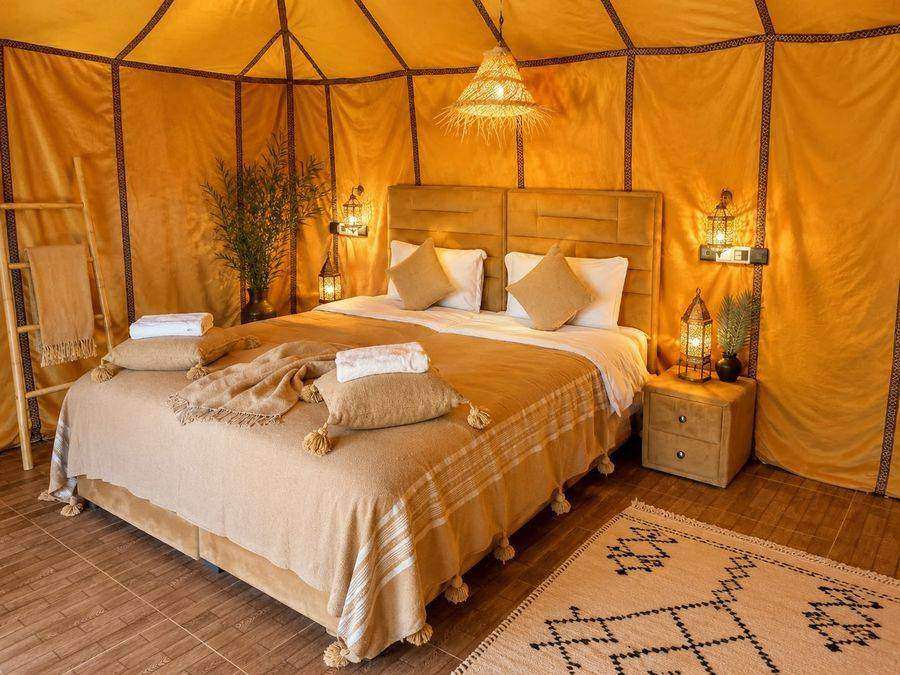
Selected accommodation with extra comfort and, in the desert, tents with private bathroom.
Options and supplement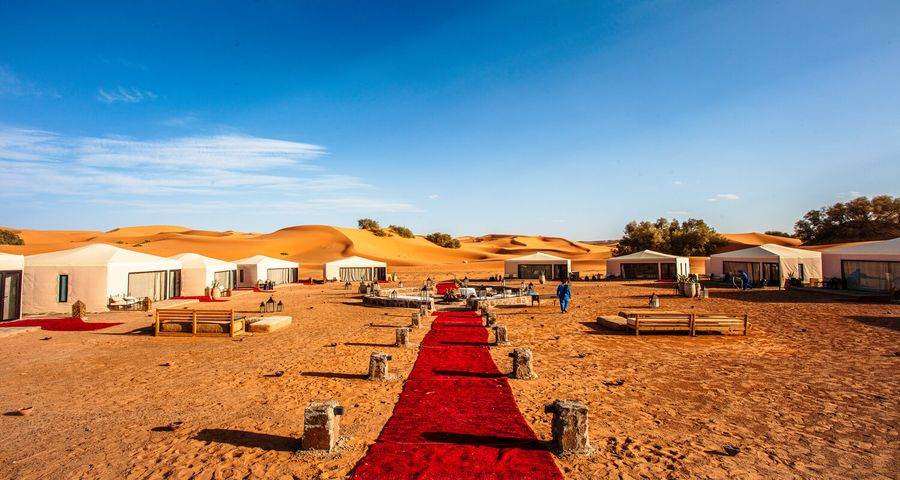
Luxury tented camp with double bed, private bathroom and dinner served under the stars.
Options and supplementWe pick you up from your accommodation at the agreed time.
Your luggage travels with you in the vehicle for the whole route.
If you'd rather not ride a camel, you can reach the camp by 4x4.
Documents, health and safety: check the latest information in the official travel advice for Morocco.
You can add quads, buggies or sandboarding. See the activities.
Have you done this tour with us? Share your experience: you'll help other travellers choose.
Up to the first waterfall it's easy (about 45 minutes). To God's Bridge you need a little more stamina: about 3 hours there and back.
Yes, by adding a day from Marrakech to Casablanca.
The old caravan road of Telouet, a night at Aït…
View tour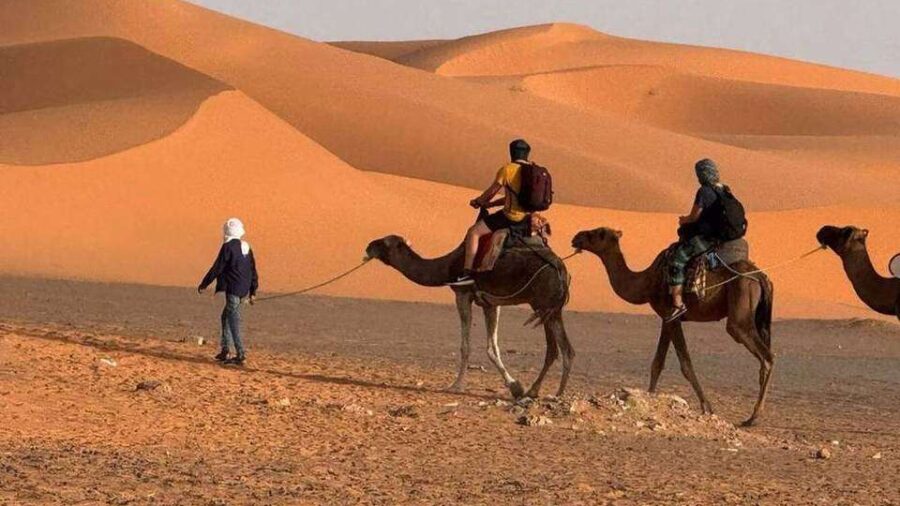
Cross the High Atlas, discover the Dadès valleys and experience…
View tour
Fez, Meknes, Volubilis, Chefchaouen and then down to the Sahara,…
View tour
Write a review